Lily of the Valley Clipart: A Botanical Illustration for Elegant Branding Graphics
First Impressions: Subtle Sophistication in Silhouette
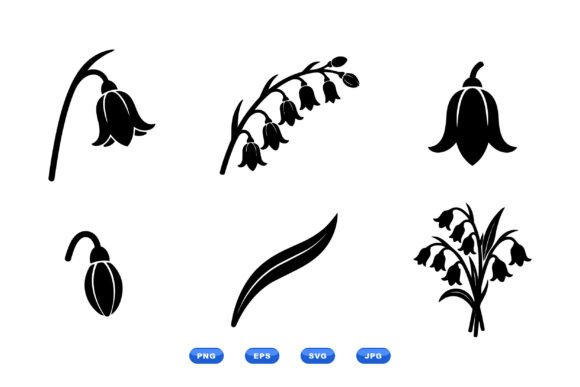
Opening the ZIP file of the Lily of the Valley Clipart, the first thing I noticed was the clean, minimalistic approach of the flat silhouette design. Rendered in solid black with crisp edges, each icon is isolated on a white background, giving it a sense of clarity and focus. The style is unmistakably modern yet carries a soft, organic feel that makes it ideal for brands or creative projects seeking a touch of botanical elegance without overwhelming visual noise.
Visual Mood and Style: Calm, Organic, and Versatile
The Lily of the Valley Clipart evokes a quiet, natural aesthetic—serene and timeless. The floral motif is delicate, not too ornate, which makes it adaptable across design contexts. It leans into the minimalist botanical trend that’s been popular in packaging design, editorial layouts, and small business branding. The black-on-white contrast adds a boldness that feels intentional, not busy, which is a big plus when integrating into modern design systems.
Real-World Use: From Logos to Lifestyle Branding
I recently worked with a small handmade candle brand looking to refine their label design and social media visuals. The Lily of the Valley Clipart fit perfectly as a secondary brand icon—used subtly on packaging labels, candle tags, and Instagram story templates. It added a botanical motif that felt upscale and cohesive without overshadowing the primary logo or typography.
Performance Across Design Formats
This design asset works surprisingly well in a variety of formats. Here’s how it performed in different client-facing design applications:
- Logo Design: Served as a supporting icon in a sub-brand or product line, not as a primary logo but as a decorative accent.
- Product Labels: Clean and recognizable at medium sizes, especially when paired with sans-serif fonts for contrast.
- Packaging Design: Used as a repeating pattern on tissue paper and gift tags—prints beautifully with consistent line weight.
- Social Media Graphics: Ideal for Pinterest pins and Instagram posts where botanical themes perform well in engagement metrics.
- Printable Wall Art: Looks elegant in minimalist gallery layouts, especially when layered with hand-drawn typography.
- Cricut Projects: SVG format is easy to import and cut, perfect for DIY labels, cards, and home decor.
Best Use Cases for Lily of the Valley Clipart
Where this asset truly shines is in projects that require a soft botanical motif without visual clutter. It works well as:
- Hero graphics in seasonal campaigns (spring, floral, wellness themes)
- Decorative accents in brand pattern systems
- Supporting icons in editorial design layouts
- Themed collections for Etsy shops or print-on-demand stores
- Product mockups for lifestyle and wellness brands
- Commercial design assets for digital creators building Canva templates
When to Use with Caution
Despite its versatility, there are situations where this clipart should be handled carefully:
- Small Sizes: Loses detail and clarity under 32px, so avoid using in mobile UI or tiny stickers.
- Crowded Layouts: Can get lost in complex compositions where visual hierarchy is key.
- Low-Contrast Backgrounds: Doesn’t pop on gray or textured backgrounds without adjustments.
- Minimalist Corporate Branding: Too organic for ultra-clean, modern corporate identities.
Impact on Design Quality and Brand Perception
Incorporating Lily of the Valley Clipart into a client’s visual system can elevate the emotional appeal of a brand. The soft, natural motif adds a layer of sophistication and warmth—especially effective for handmade businesses, wellness brands, and boutique product lines. However, it must be used consistently to maintain brand recognition and avoid visual fragmentation.
From a design perspective, it supports visual hierarchy when used as a secondary element, but can disrupt readability if overused. I recommend balancing it with ample white space and contrasting typography to preserve clarity and professionalism.
Practical Designer Notes Before Use
Before committing to this design asset in a client project, here are key checks I performed:
- Test in black and white: Confirmed it maintains visual integrity without color variations.
- Check contrast: Verified legibility on light and dark backgrounds—adjustments needed for dark use.
- Preview at scale: Inspected performance at small and large sizes; not ideal below 16px.
- Mockup placement: Used on realistic product mockups to see how it integrates with textures and materials.
- Print quality: Printed on standard label stock and cardstock—clean lines held up well.
- File format review: SVG was fully editable in Illustrator, PNGs had clean transparency with no halos.
- Font pairing: Worked best with script and serif fonts; less impactful with ultra-modern sans-serif styles.
- License confirmation: Reviewed commercial use rights—valid for print-on-demand, digital products, and client work.
Why This Clipart Fits Well in a Professional Design Workflow
As a graphic designer, I’m always on the lookout for high-quality design assets that bridge the gap between affordability and usability. The Lily of the Valley Clipart does exactly that. Whether you're building a Canva template for a client, designing a line of stickers, or crafting a seasonal campaign for a small business, this illustration set offers flexibility and visual harmony.
Its strength lies in its simplicity—allowing it to be layered, recolored, or used as-is without feeling outdated. For designers working on tight timelines or with limited illustration resources, this asset can be a time-saver without compromising on quality.
Final Verdict: A Thoughtful Addition to Any Botanical Design Kit
In conclusion, the Lily of the Valley Clipart is a valuable addition to a designer’s toolkit, especially for those working in lifestyle, wellness, or artisanal branding. It’s clean, adaptable, and professionally crafted. With thoughtful placement and a clear understanding of its visual weight, it can elevate a design from basic to beautifully curated.
If you're a digital seller, Cricut enthusiast, or brand designer looking for a subtle botanical motif that works across formats, this is a solid choice. Just remember to test, preview, and pair it with strong design fundamentals to get the most out of this elegant graphic design asset.